
Macon County Bad Weather Car Accident Lawyers
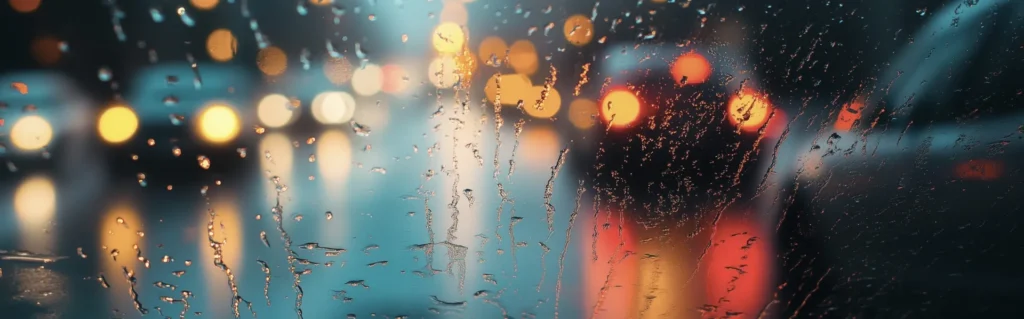
Georgia experiences its share of severe weather throughout the year, from sudden thunderstorms that drench roadways to morning fog that blankets highways. These conditions transform familiar Macon roads into hazardous stretches where visibility drops, traction disappears, and even experienced drivers struggle to maintain control.
When poor weather contributes to collisions, determining liability becomes more complicated than standard accident cases. Our Macon car accident lawyers at Childers & McCain, LLC represent clients injured in weather-related crashes where negligence played a role. While rain, high winds, and fog present challenges, drivers remain responsible for adjusting their behavior accordingly, and failure to do so can result in serious crashes and aftermaths involving medical bills, lost time at work, and emotional strain for those injured.
What Weather Conditions Cause the Most Accidents in Macon?
Rain is the leading weather-related cause of accidents in Georgia, reducing visibility and creating slippery surfaces. Fog is also hazardous; it significantly impairs vision, particularly during early morning hours when fogginess settles over roadways. Wind can push vehicles off course, especially high-profile trucks and SUVs. Ice, though less common in Macon, creates treacherous conditions when temperatures drop.
Are Certain Vehicles More Dangerous in Bad Weather?
Large commercial trucks face greater challenges in adverse conditions because of their size and weight. They need extended stopping distances, so truck drivers need even more following room when roads become slick. High-profile vehicles catch the wind more easily, making them harder to control during storms. Motorcycles and smaller cars struggle with standing water and are more vulnerable to hydroplaning.
Does Bad Weather Eliminate Driver Liability?
Weather conditions do not excuse negligent driving behaviors or absolve drivers of responsibility. Georgia law requires motorists to operate vehicles safely, given current conditions, which means reducing speed, increasing following distance, and using headlights when visibility decreases. Drivers who fail to adjust their actions appropriately may be held liable for resulting accidents. Courts recognize that weather creates challenges while maintaining that reasonable drivers must adapt accordingly.
How Should Drivers Adjust During Storms?
Our Macon car accident lawyers recommend reducing speed to allow more time to react to sudden obstacles or changing road conditions during stormy weather. Increasing following distance provides additional braking room on wet pavement, where stopping distances extend significantly. Additionally, turning on the headlights improves visibility for the driver and other motorists sharing the road. Other tips are avoiding cruise control to prevent delayed reactions when traction suddenly changes and pulling over safely when conditions become too severe to drive.
What Is Hydroplaning, and Why Is It So Dangerous?
Hydroplaning occurs when water builds up between tires and road surfaces, causing vehicles to lose contact with the pavement. Drivers lose steering control and braking ability, leaving them unable to avoid obstacles or other vehicles. This phenomenon happens at speeds as low as 35 miles per hour when water depth and tire condition create the right circumstances. Worn tires with insufficient tread depth hydroplane more easily, making tire maintenance particularly important.
Who Is Responsible for Weather-Related Accidents in Macon?
Drivers who cause accidents during bad weather may still face liability despite the challenging conditions. Those who exceed safe speeds for current conditions, follow too closely, or fail to use proper lighting can be held accountable. Government entities may share responsibility when inadequate drainage creates standing water or when missing warning signs fail to alert motorists to dangerous areas. Since weather-related crashes can involve more than one responsible party, Macon car accident lawyers work to identify all sources of liability to maximize compensation for injured clients.
What Evidence Matters in These Cases?
Weather reports from the time of the collision establish what conditions drivers faced, while photographs of the accident scene document water accumulation, visibility issues, and road surface conditions. Also, witness statements can provide accounts of driver behavior and environmental factors that contributed to the crash. Vehicle damage patterns help reconstruct how the collision occurred and what actions drivers took before impact, and traffic camera footage, when available, may offer valuable visual documentation of the incident.
How Does Insurance View Weather-Related Accidents?
Insurance companies often attempt to classify weather-related crashes as unavoidable acts of nature, which can complicate claims. Adjusters may argue that the weather, rather than driver error, caused the collision, potentially reducing or denying compensation for claimants. However, many weather-related accidents involve some degree of driver negligence, whether excessive speed, following too closely, or failure to maintain proper vehicle control. Our Macon car accident lawyers work to demonstrate how driver actions contributed to collisions.
What Compensation Can Injured Parties Recover?
Medical expenses, including emergency treatment, hospital stays, and ongoing rehabilitation, form the primary economic damages that we pursue for clients. We may also fight for lost wages to compensate for time away from work during recovery; future earning capacity addresses permanent disabilities. Property damage covers vehicle repairs or replacement, along with damaged personal belongings. Pain, suffering, and emotional trauma represent non-economic damages that reflect the physical and psychological impact of injuries.
What Actions Worsen Weather-Related Accident Risks?
Distracted driving becomes exponentially more dangerous when weather demands heightened attention – each negligent action increases the likelihood of losing control. Using phones, adjusting controls, or attending to passengers diverts a driver’s focus from rapidly changing conditions. Furthermore, aggressive driving, including speeding and tailgating, eliminates safety margins that protect against sudden hazards. Finally, failing to maintain vehicles, particularly worn tires and faulty wipers, leaves drivers unprepared for challenging conditions.
When Should I Seek Legal Help After a Macon Weather-Related Accident?
Contacting an attorney promptly after a weather-related accident protects your rights and can put a plan in motion to preserve evidence that may disappear quickly. Our Macon car accident lawyers can document road conditions, obtain weather reports, and interview witnesses while details remain fresh. We also handle insurance communications, preventing statements that adjusters might use to minimize claims. Starting work with our team quickly after a crash often results in stronger cases and better outcomes for injured parties facing mounting medical bills and lost income.
Turn to Our Trusted Macon Car Accident Lawyers at Childers & McCain, LLC for Legal Help After Weather-Related Crashes
If your crash was related to bad weather and you want dependable legal advice, contact our Macon car accident lawyers at Childers & McCain, LLC. Call 478-254-2007 or complete our online form today for a free consultation. We are located in Macon, Georgia, and serve clients in the surrounding area.