
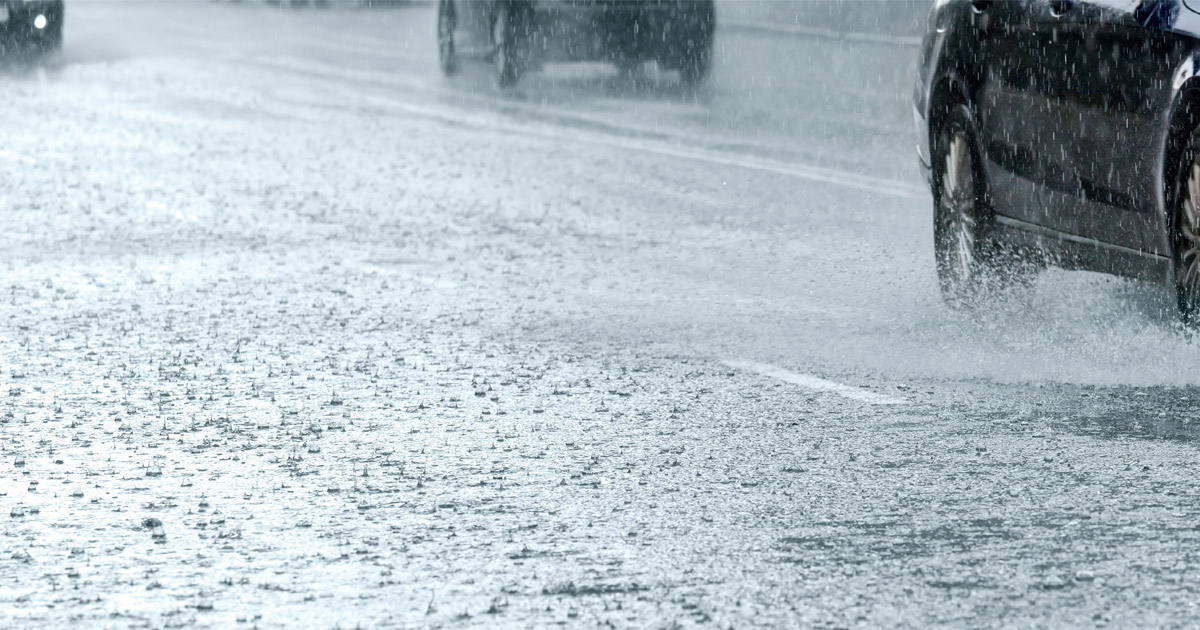
Rain can turn a familiar road into a sliding surface in seconds: One moment the car feels steady, and the next it skims across a thin sheet of water with little traction. Hydroplaning happens fast, but sorting out fault when no one wants to admit it afterward feels much, much slower. Drivers often insist the weather caused the car accident, leaving investigators to sift through competing stories and unclear details.
What Makes Hydroplaning So Dangerous?
“Hydroplaning” lifts tires off the pavement, reducing grip and limiting steering or braking. Even moderate rain can create enough water buildup for this to happen, especially around 35 mph or more, or when tires are worn.
Is Anyone Automatically at Fault in a Hydroplaning Crash?
No. Investigators look at speed, tire condition, vehicle maintenance, and how each driver responded to the weather. A driver may be held responsible if evidence shows they traveled too fast for the conditions or failed to maintain their vehicle.
Does Weather Excuse a Driver From Liability?
Rain rarely removes responsibility, because drivers still have a duty to slow down and adjust to what is directly in front of them. If a driver failed to adapt to the conditions, they could be found legally responsible for another party’s damages.
Can Tire Condition Influence Fault?
Yes, worn tread reduces water displacement and increases the likelihood of hydroplaning. If poor tire maintenance contributed to the loss of control, that may play a significant role in determining liability.
Do Speed Limits Matter in Hydroplaning Investigations?
Speed limits set a legal ceiling, not a safe standard for every scenario. Driving at the posted limit may still be considered unsafe during heavy rainfall. In these situations, investigators evaluate whether a driver’s speed matched the conditions.
Can Poor Road Maintenance Affect Liability?
Sometimes. Standing water, poor drainage, or damaged pavement can contribute to hydroplaning. If a government agency or contractor failed to address known hazards, they may share responsibility, though claims against government entities follow strict procedural rules.
What Evidence Helps Clarify Fault After a Hydroplaning Crash?
Photos, dashcam video, witness observations, and vehicle data offer insight into how these car accidents happen. These sources of evidence help investigators piece together each driver’s actions.
How Do Investigators Determine Whether a Driver Was Going Too Fast?
They may review vehicle damage, roadway characteristics, traffic-camera footage, or data from the vehicle’s onboard recorder. When carefully analyzed, that information can show whether a driver exceeded a safe speed for the conditions.
Can Multi-Vehicle Hydroplaning Accidents Lead to Shared Fault?
Yes. When several vehicles lose traction, responsibility may be divided among more than one party. Investigators look at spacing, speed, and reaction time to assign percentages of fault.
Does Following Too Closely Increase Hydroplaning Risk?
Yes. Reduced following distance limits reaction time, and traction loss only increases that risk. If a driver hydroplanes and cannot stop because they followed too closely, this may influence the fault.
Why Do Drivers Often Deny Fault After Hydroplaning?
Hydroplaning feels sudden, leading many drivers to assume nothing could have prevented it. That perception, combined with fear of penalties or insurance consequences, often fuels denial.
Can a Driver Be Held Liable Even if the Crash Happened at Low Speeds?
Yes. Low-speed hydroplaning can still cause harm, and drivers may still face liability if they failed to respond appropriately to the conditions at the time.
What Happens if Both Drivers Claim the Other Caused the Crash?
Investigators rely on physical evidence, rather than personal claims of not being responsible. Even when both drivers deny liability, the available evidence usually reveals which actions contributed to the collision.
Our Savannah Car Accident Lawyers at Childers & McCain, LLC Have Significant Experience With Wet-Weather Collision Cases
If you were involved in a hydroplaning crash, contact our Savannah car accident lawyers at Childers & McCain, LLC. For a free consultation, call us today at 478-254-2007 or complete our online contact form. Located in Macon, Georgia, we gladly serve clients in the surrounding areas.